
In immediate danger? Call 000

Bethany Ward standing in a tropical garden, wearing a blue dress

Bethany's Story

They told her to leave. Then the system turned on her.

This is Bethany's experience — told with care, with her children protected, and with a mission to expose what post-separation abuse can look like when systems fail to see it.

Some details have been intentionally withheld to protect children, privacy and ongoing legal matters.

A note before you read. Bethany's story involves family violence, post-separation abuse, child protection, police involvement and family law. Identifying details about her children and former partner are intentionally protected. If this raises difficult feelings, please consider contacting 1800RESPECT on 1800 737 732.

01

Before leaving

Before Bethany became the face of this project, she was a mother trying to survive a life that had become smaller, heavier and harder to explain. Like many women in abusive relationships, she carried things privately for a long time — the fear, the pressure, the emotional exhaustion, and the quiet calculations required to keep herself and her children safe.
02

Life during the relationship

Behind closed doors, the relationship had become marked by control, fear and emotional exhaustion. From the outside, life could still look normal. Inside it, Bethany was shrinking. There was no single defining moment — only a pattern, the kind that slowly narrows a woman's world until leaving feels both impossible and necessary.

03

Leaving with three children

Bethany left with her three children. Leaving is often spoken about as the finish line. For many survivors, it is only the beginning of a more complicated fight. She left hoping for safety, stability and a future where her children could heal. Instead, the abuse changed shape.

"They tell you to leave. They don't tell you what can happen when the system turns on you."
— Bethany
04

When post-separation abuse escalated

After separation, the abuse did not stop. It moved into systems, reports, paperwork and fear. Post-separation abuse can look very different from abuse inside a relationship. It can involve legal processes, repeated allegations, financial pressure, reputational harm, police involvement, child-related control, and the constant demand that a survivor keep proving who she is.

05

When allegations were used against her

Allegations followed — serious, painful allegations that no mother should ever have to defend herself against. The consequences were immediate. Instead of feeling protected as a survivor, Bethany found herself treated as a threat while the systems around her investigated.

06

When authorities became involved

Police, child protection and family law became part of daily life in ways no mother prepares for. The process was devastating, isolating and deeply frightening. Her children were removed from her care while investigations and proceedings unfolded. What followed was not weeks of uncertainty, but years. The systems that should have brought safety became part of the trauma.

07

The years-long fight

For three and a half years, Bethany fought to be heard. Court dates, reports, paperwork and waiting became part of her life. She had to keep proving her love, her safety and her truth while carrying the grief of being separated from her children. This is one of the cruel realities of post-separation abuse: a survivor can be forced into a process that feels endless, while the damage continues in slow motion.

"Survivors should be protected after leaving — not punished for surviving."
— Bethany
08

The call no mother should receive

Years later, a call from Child Protection changed everything. Her children were returned after serious concerns were raised about their safety. The details are intentionally protected, but the impact was profound. It was confirmation of what Bethany had feared all along — that the systems meant to protect children and survivors can miss what is right in front of them.

09

Her children coming home

Her children coming home was not the neat ending people imagine. It was a turning point. There was relief, and there was grief. There was love, and there was repair. This story is not about pretending everything is fixed. It is about telling the truth: the harm of post-separation abuse can continue long after a woman leaves, and recovery can take years.

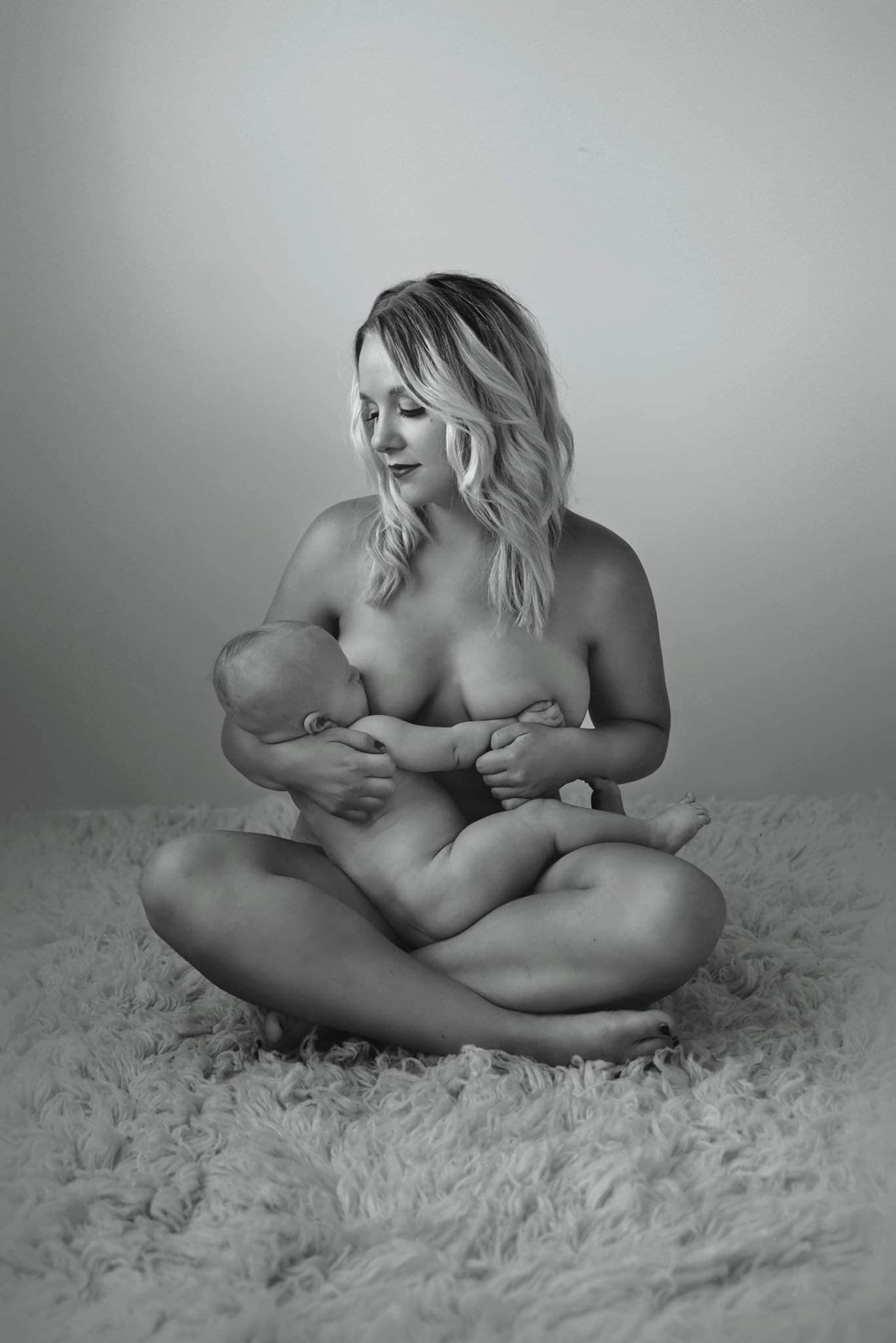
Bethany cradling her child — a quiet, intimate portrait of motherhood
Motherhood, after the storm.
10

Why Bethany is speaking now

Bethany is speaking now because silence protects the wrong people. Her story is still ongoing, but her mission is clear. Survivors deserve to be believed earlier. Systems must learn to recognise post-separation abuse before more harm is done. And every woman who left and did not find immediate safety deserves to know — she is not alone, and she is not imagining it.

— Bethany

A wider pattern

This is not just Bethany's story.

Bethany's experience is personal, but it reflects a wider pattern survivors describe across Australia. Post-separation abuse is real. Legal abuse is real. Systems abuse is real. And until these patterns are properly understood, survivors and children will continue to fall through the cracks.

If this story feels familiar, you are not alone.

The Bethany Ward Project exists to raise awareness, share survivor stories and advocate for change.

If you are in immediate danger, call 000. For domestic, family and sexual violence support in Australia, contact 1800RESPECT on 1800 737 732.

This page shares lived experience and advocacy. It is not legal advice. Some details have been withheld to protect children, privacy and ongoing legal matters.